Online · improve your game
Classes, individual coaching and team review for recreational players. A professional career does not need to be the goal.
Esports education is our foundation. Structured coaching, healthy routines, continued learning and technology help us build a fuller pathway for players.
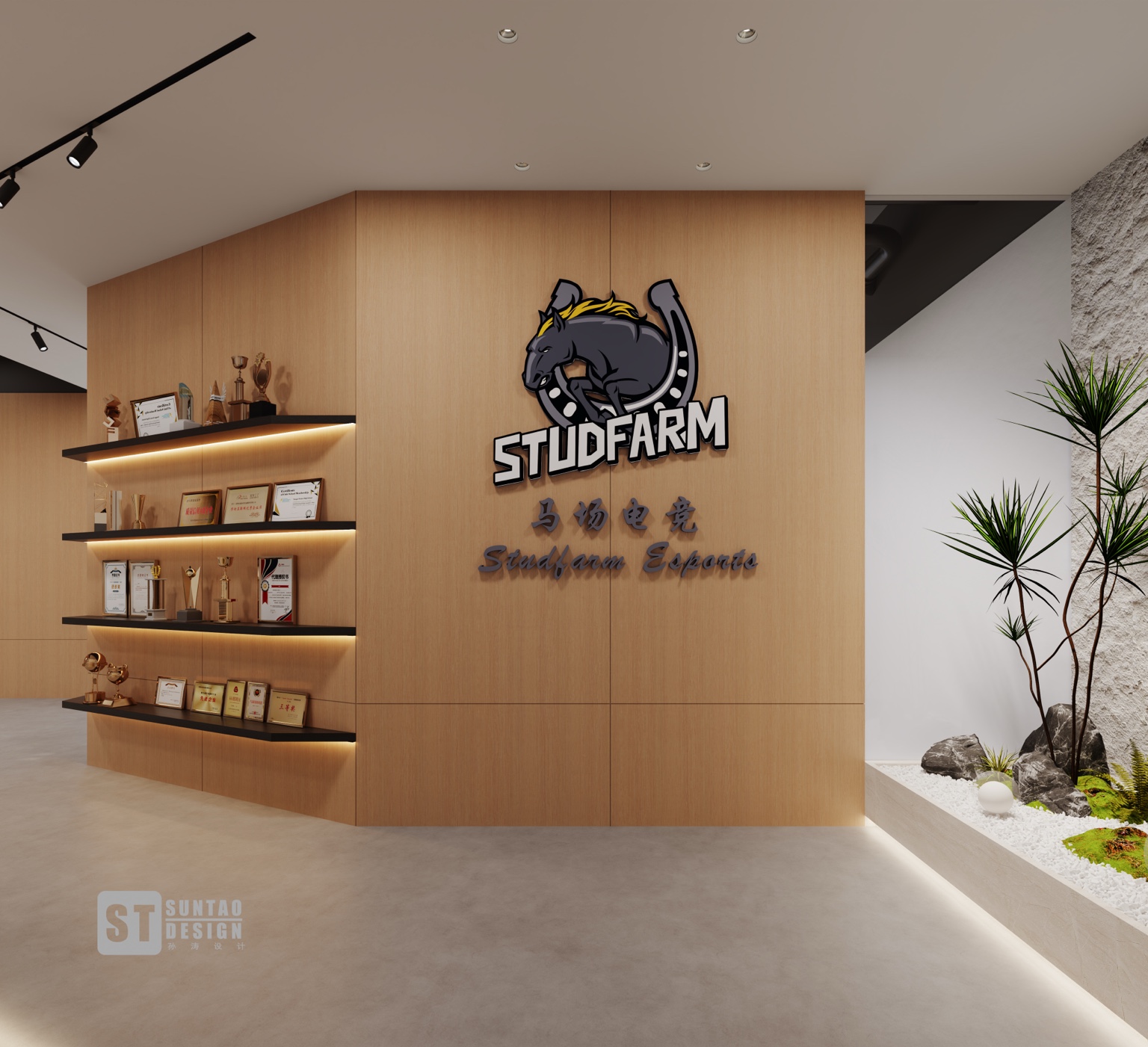 Explore the center
Help Chinese esports talent grow in a professional setting, with meaningful options beyond competition.
Our teaching experience is the starting point. Online coaching serves players seeking better skills and higher ranks. The planned Beijing center brings youth training on site for capable players pursuing a competitive career. Education remains our primary business and revenue focus.
Classes, individual coaching and team review for recreational players. A professional career does not need to be the goal.
A planned pathway for high-level players with competitive ambitions: frequent coach observation, team practice and coordinated study and recovery.
*Historical cumulative total reported in the October 2026 business plan.
A proposed standard that connects practice to a clear development plan. Explore the four steps.
Match review and structured drills establish the player's starting point, so coaching can focus on the skills that need attention.
The planned Shougang Park center brings our youth training into a shared environment: closer coach observation, team practice, daily routines, study time and family reviews.
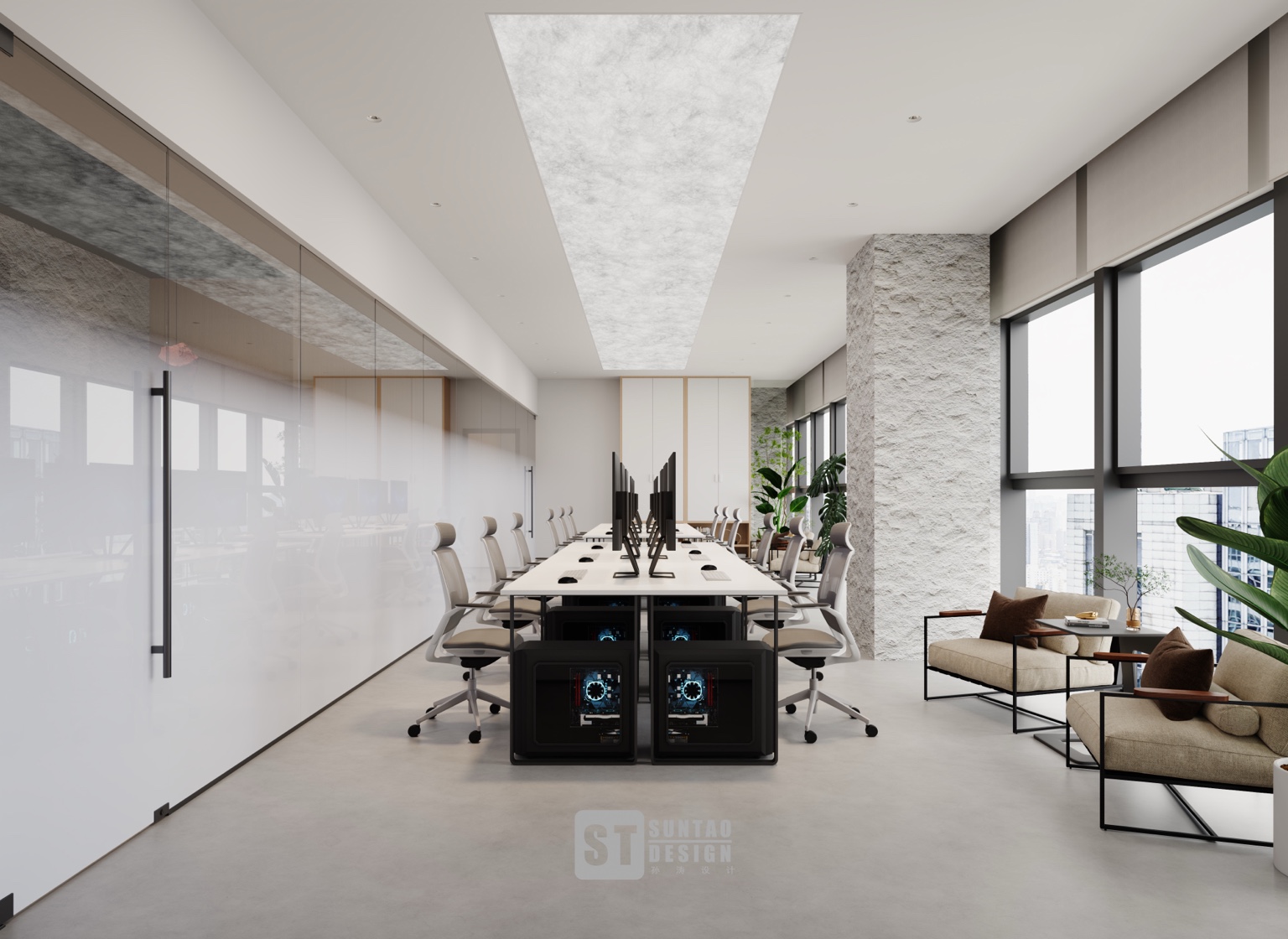




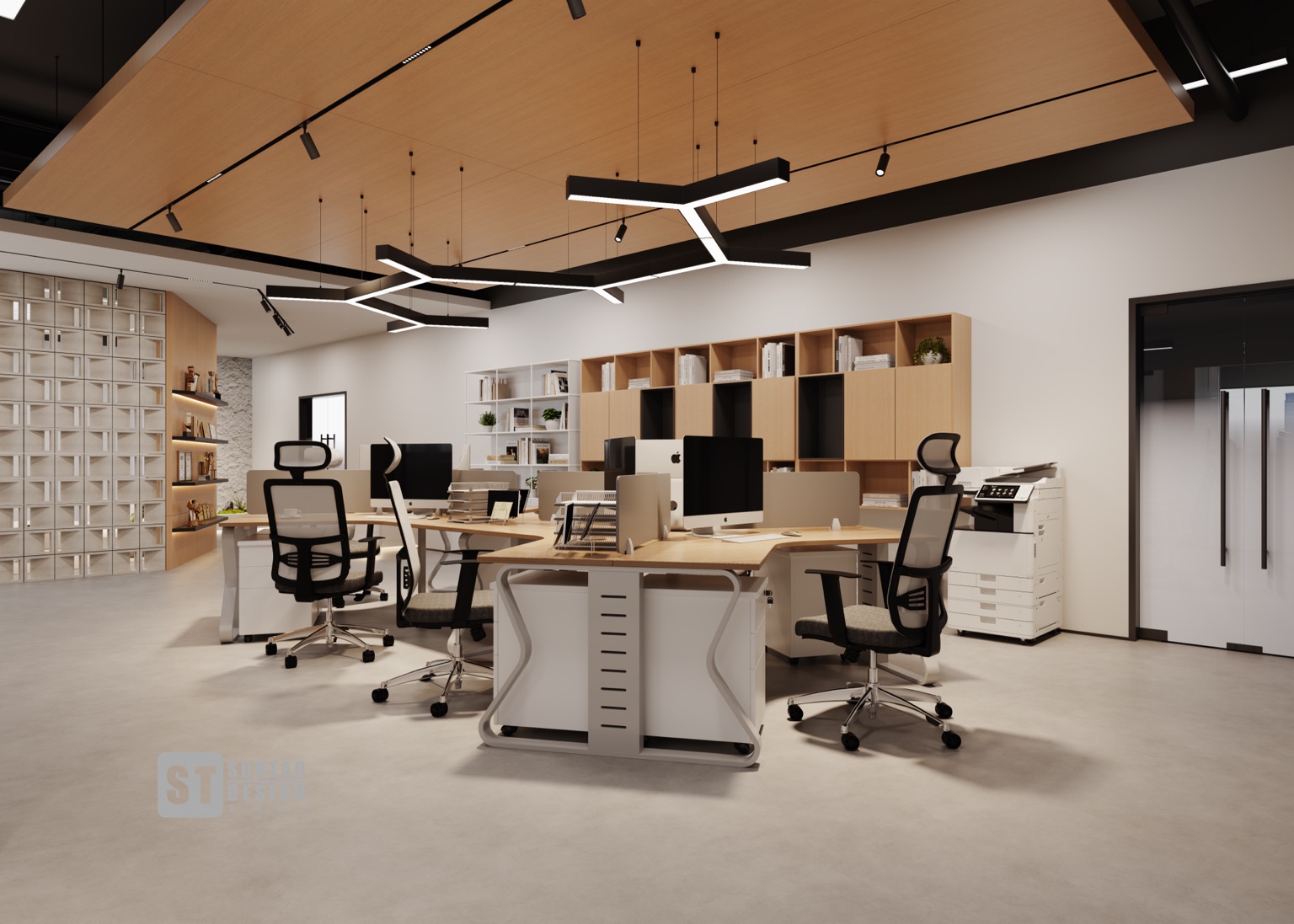
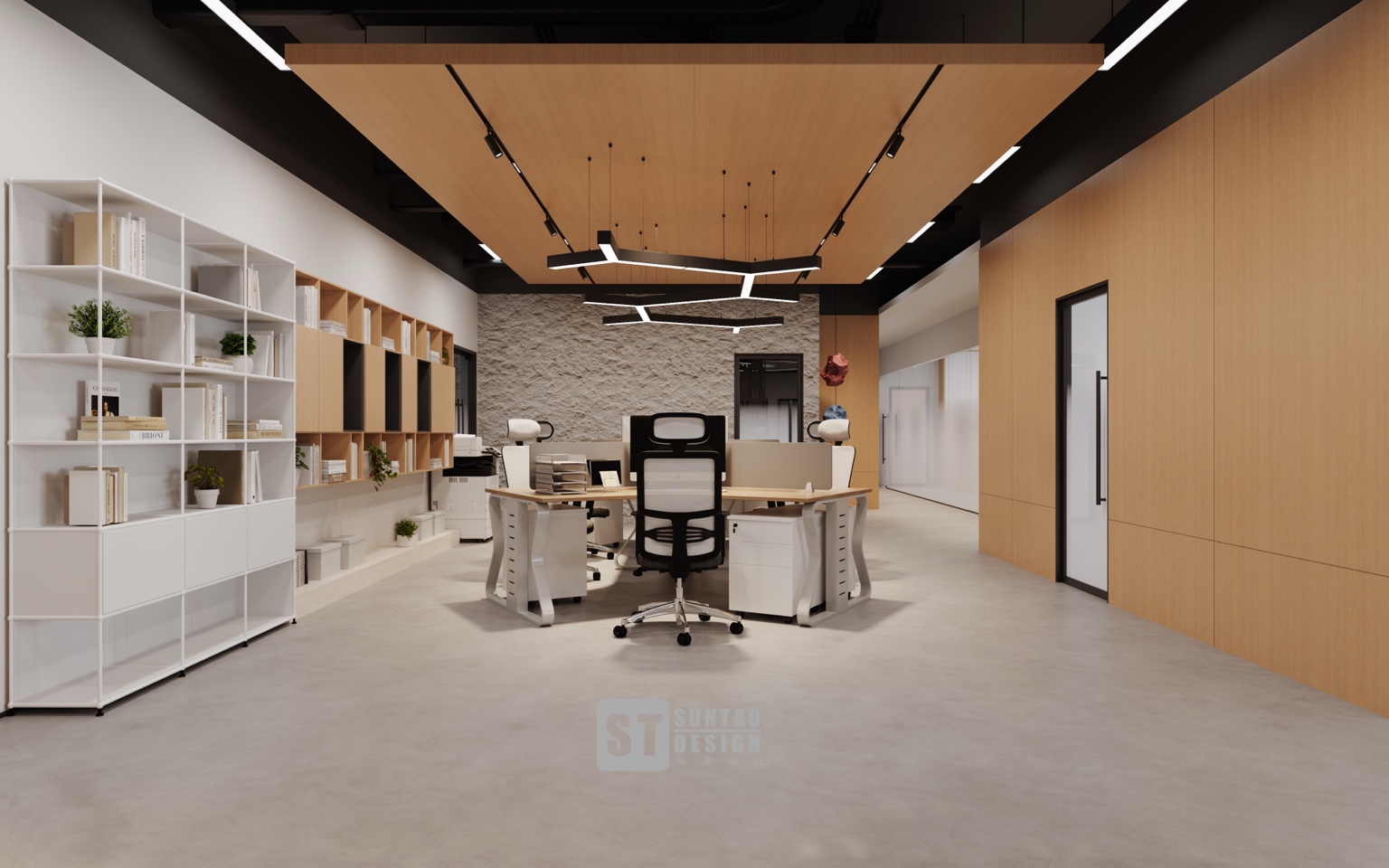
A look at how the proposed spaces could support the learning experience.
Small-group rooms and team setups are envisioned for coached practice, individual attention and shared review.
The lounge and shared tables create space for breaks, player conversations and a sense of community between sessions.
Consultation and team workspaces are planned to support learning discussions, program coordination and day-to-day operations.
Teaching remains the main revenue focus: online coaching, camps and planned offline development. Data tools first support our coaches. Institutional subscriptions, licensing and partner programs require later validation.
The planned offline program supports the person alongside competitive development. These services will be built and verified as the center launches.
Record sleep timing, practice load, self-reported fatigue and coach observations. Optional wearables support daily records, alongside meals, exercise and recovery.
English communication, protected study time and qualified education support. Explore further study, international pathways and eligible 2+2 programs after checking providers and admission requirements.
Explore domestic or overseas club trials for players who are ready. If the competitive route changes, assess further education and roles in coaching, content and event operations.
Develop technology in stages around real teaching needs. Coaches remain responsible for interpretation, feedback and development decisions.
Begin with coach logs, player feedback and optional wearable sleep and recovery estimates. Build consistent daily records before complex automation.
Use CS2 demos to identify events, connect observations to replay evidence and draft training priorities. Coaches correct and approve the output.
Align footage, eye tracking and mouse/keyboard inputs. With research partners, explore muscle activity and EEG where they add repeatable information. Small studies may overlap with AI work once the team and protocol are ready.
Separate current skill, previous practice and response to new training. Include less experienced players and test whether results predict improvement in independent cohorts.
Distinguish what a player can do today, what practice has taught them and how they respond to further training.
Execution, decisions and consistency in a defined game and task.
Hours played, coaching exposure, role experience and task familiarity.
Progress under comparable training, repeatability and transfer to new tasks.
CS2 first; evaluate VALORANT and Delta Force as demand and coaching capacity allow. Mobile titles, such as Honor of Kings, need separate input tests and methods. Platform cooperation is a future possibility, not an established agreement.
Build internal levels for common skills, game-specific execution and roles. Seek validation with clubs and researchers, and ultimately contribute evidence to assessment and development standards across esports.
We welcome conversations with operating partners and investors beyond China.
The current deck proposes a Saudi pilot. Other markets can be explored with the right local partner, a defined scope and viable delivery economics.
Discuss a partnershipSeeking an early-stage investor or strategic partner to launch the Beijing education model, build training records and validate the first coaching tools. Teaching and technology milestones will be measured separately.
*USD equivalent estimated at US$1 = RMB 7.2.
Prepare the site and first paid cohort. Establish manual progress reports, routine records and education-support arrangements.
Target 10–15 monthly learners. Pilot a coach-reviewed CS2 assistant and measure accuracy, corrections and time saved.
Target 30–50 reports and 10–15 cases. Review renewal and teaching economics; test a small gaze/input study if resources allow.
For education partnerships, investment, coaching technology research and scoped overseas pilots.
Co-founder · StudFarm Esports